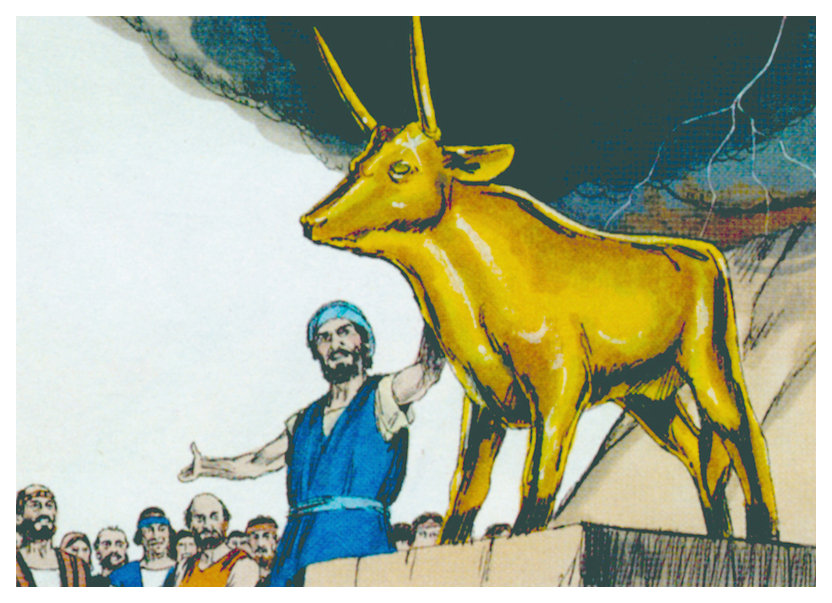
[표현]
Sacred cow
[의미]
성스러운 소(聖牛: 지나치게 신성시되어 비판, 의심이 허용되지 않는 관습, 제도 등)
한 집단의 사람들이 매우 존경하고 절대로 비판하지 않는 사람, 신념, 제도 등.
질문이나 비판에 영향을 받지 않고 비합리적으로 원래부터 그런 것이라 간주되는 무언가.
[예문]
University education is a sacred cow in the Smith family. Fred is regarded as a failure because he left school at sixteen.
대학교육은 스미스 일가에서는 절대적인 것이다. 프레드는 16세의 나이로 학교를 그만두었기 때문에 실패한 아이로 찍혔다.
Old-age pensions are a sacred cow; the government will always keep them.
노후 연금은 신성불가침의 영역이다. 정부는 어떤 일이 있어도 그것을 보전하려고 할 것이기 때문이다.
So I started to wonder what would happen if we challenged some of these sacred cows.
그래서 전 만일 이런 관습에 대해 도전을 해보면 어떨까라고 생각을 하게 되었습니다.
[유래]
이 용어는 인도의 종교인 힌두교가 소를 숭배하는 것을 암시하는 용어이다. 'Sacred cow'라는 용어가 힌두교가 소를 숭배하는 모습을 묘사하기 위해 쓰인 첫 번째 기록은 1850년대 미국 신문에서 찾을 수 있었다. 이것은 위스콘신주에 사는 인도 이민자 Wady Jahed가 Calcutta Times에 보낸 편지를 Janesville Free Press가 1854년 1월에 인쇄한 것이다:
To the most eminent Kaali Ramon, High Brahmin, at Benares, India.
The religion of the Hindoo is now well established here, but I find many things to correct. For instance the grain which they bring as an offering to the goddess Bhavani, which they pronounce brewery, they work up into a liquor which they drink in honor of the gods, instead of feeding it to the sacred bulls and cows; they also eat the flesh of animals, and do other vile things.
Kiss the sacred cow for me, and may Doorgha bless you at all times.
From your Slave,
WADY JAHED.
참견과 간섭에 영향을 받지 않는 계획이나 절차를 'Sacred cow'라고 비유적으로 쓰기 시작한 곳은 미국으로 그 유래는 19세기 후반으로 거슬러 올라간다. 1890년 3월, The New York Herald의 한 기사에서 'Sacred Cow'를 직유한 것이 기록되어 있다:
"While the great ditch may be regarded as one of the commercial diversities of the commonwealth, to worship it as a sort of sacred cow is not necessarily a work of true statesmanship."
1909년 9월, Galveston Daily News는 조금 더 나아가서 한 기획을 'Sacred cow'라고 언급한 적이 있다:
"They understand Mr. Bryan's position to be one of antagonism to the contention that raw material is a 'sacred cow,' immune from tariff reform, ever to be upon the dutiable list and in consequence enjoying the blessings of incidental protection."
[출처]
https://www.phrases.org.uk/meanings/309250.html
댓글
댓글 쓰기